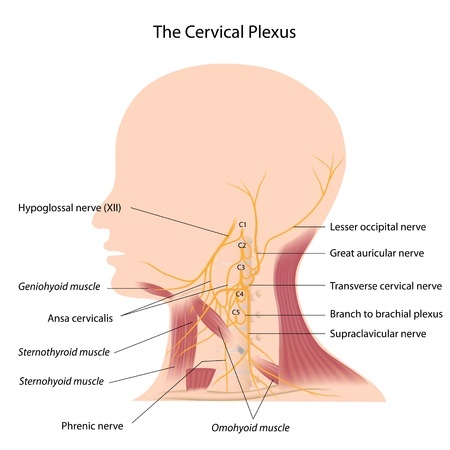
This case takes place in New Hampshire and involves an 80-year-old patient who underwent orthopedic procedure. The anesthesiologist in question performed a Supraclavicular block to numb the patient’s arm. Following the surgery, the patient complained of pain in the bicep. The biceps atrophied due to nerve damage. The patient is now suffering permanent upper trunk brachial plexopathy.
Question(s) For Expert Witness
- 1. Do you perform Supraclavicular blocks?
-
2. Have you ever had a patient suffer a similar result?
Expert Witness Response E-008935

I routinely performed supraclavicular blocks while I was in private practice and never had a patient suffer a similar result. However, for the past 14-years I have been in an academic setting where our blocks are placed by our acute pain service. That said, a key point in this case would be what was disclosed in the informed consent for the block. There are particular risks in placing nerve blocks and those risks, including those that can potentially cause serious and long-term effects, must be covered prior to the block and certainly prior to sedation for the block. Only with this disclosure can a patient weigh those risks against the alternative anesthetic plans and then give informed consent for the procedure. In terms of actual placement of the block, we would need to look at the experience of the anesthesiologist and asses his placement of the block (e.g. ultrasound guided; nerve stimulator: injection pressures). I would also ask if the patient was awake during placement of the block. If so, did the patient complain of any pain during the procedure?
Contact this expert witness
Related Posts
Plaintiff was exposed to ammonia while cleaning the wheelhouse of a ship located in Washington. He spent 30 minutes in the wheelhouse for his cleaning duties that day. All windows and doors were closed. Plaintiff was not aware of any…
This case involves a 15-year-old female patient who presented to her PCP for an unrelated complaint. The PCP auscultated a heart murmur and referred the patient to a pediatric cardiologist. A TTE diagnosed a coarctation of the aorta. Days later,…