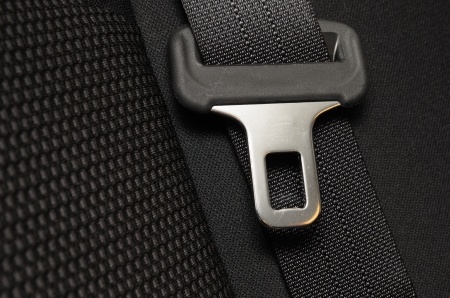
My inspection and research on this vehicle, along with review of the discovery provided by the manufacturer, did not reveal any safety equipment installed on this vehicle that was designed and tested with the specific purpose of preventing occupant excursion and therefore providing safety to an occupant in a rollover event. Indeed, the vehicle did not contain any type of rollover sensing devices, nor did it contain a rollover actuated pretensioner, and it did not contain a side air curtain/canopy airbag system. Furthermore, I have not seen a full vehicle rollover test from the manufacturer on this case.
The manufacturer should have implemented a restraint system in the vehicle that was capable of properly restraining plaintiff, who was five feet five inches tall. These design features were utilized by the manufacturers of other 1999 and prior-year vehicles. The fact that plaintiff’s restraint system did not provide him with sufficient protection during the subject rollover event would have been clear to the manufacturer if it had conducted sufficient dynamic rollover testing.
In this accident, the accelerations to plaintiff were relatively low and were well within human tolerance levels. Therefore, plaintiff would not be expected to sustain significant injury if his restraint system properly mitigated excursion.
The passenger was in the same rollover crash as plaintiff, but he did not sustain any life threatening or serious injuries, despite being four inches taller. This demonstrates, among other items, that the accelerations of the vehicle were not beyond human tolerance, and had plaintiff’s seat belt system not have slack induced (via an ABTS system) he would have survived the rollover without severe injury.
The left front restraint system was defective, and ineffective in providing any meaningful rollover protection. Alternative safer designs included seat belt anchors that all mount directly to the seat in optimum positions. An ABTS restraint system would have maintained the belt’s optimal positioning on plaintiff regardless of his seated position and regardless of any B-pillar deformations. The implementation of this design would have prevented the excessive excursions and, like the passenger, would have survived the rollover crash without sustaining severe injuries.