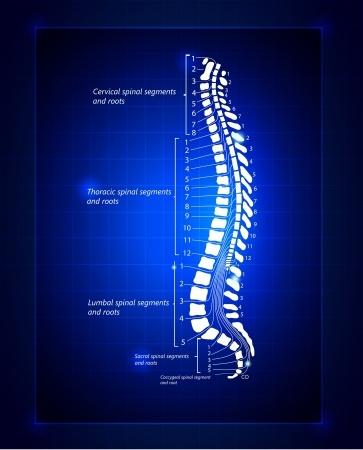
This case takes place in Maine and involves a 70-year-old patient who suffered a severe fall. EMS noted limited motion to all of her extremities and transported the patient to the hospital at approximately 12:00 am on the day in question. On arrival at the emergency department, the plaintiff complained of a hand injury, but, on physical exam, the medical providers at regional medical center noted that there was global weakness in all of the patient’s extremities. The plaintiff was ultimately diagnosed with a spinal cord injury. The plaintiff was transferred from the regional medical center to another facility approximately 8-hours later by EMS. The plaintiff arrived to the facility at approximately 6-hours after departure from the regional medical center. Upon arrival, the plaintiff was assessed by medical personnel and had significantly declined from the spinal cord injury and required a semi-emergent intubation. The plaintiff was deemed a quadriplegic and stayed in the facility for 30-days at which time she was transferred.
Question(s) For Expert Witness
- 1. How often do you treat patients with spinal cord injuries?
-
2. What assessments should be undertaken when a spinal cord injury is suspected?
-
3. Can a delay in treatment worsen the prognosis for a patient?
Expert Witness Response E-007708
As Director of Neuro-Outcomes at a Level 1 trauma center affiliated with a major university, I frequently treat patients with spinal cord injuries. I typically see patients with this presentation at least once a week. The gold standard for diagnosis is to perform an MRI for suspected cord injuries and render emergent care, medical or surgical, if confirmed. Delays in treatment can absolutely worsen the prognosis. It seems that the time elapsed from the initial presentation to the final transfer was lengthy. I would like to learn more about the imaging performed as well as any other precautions/medical management performed.
Contact this expert witness
Related Posts
This dental care case takes place in Connecticut and involves a 60-year-old female with a past medical history of alcoholism. She underwent a total hip replacement which developed an infection. The patient presented to her dentist and required a tooth…
This case involves a man who was injured while painting the walls of a self-described “sustainable urban lifestyle” retail store. He and his company had been hired as a sub-contractor to paint the store, which was undergoing extensive renovations to…