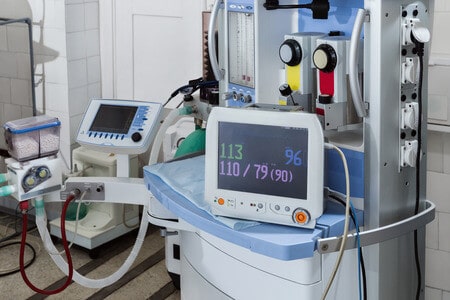
This case involves an 18-year-old female admitted for pneumonia. Her condition worsened over a short period of time where intubation and sedation were indicated. Approximately six days later her pneumonia greatly improved according to chest imaging, but nurses discovered blown pupils, partial paralysis, and what appeared to be the effects of a severe stroke.
Question(s) For Expert Witness
- 1. How should severely ill patients be treated and monitored?
-
2. Why could a simple case of pneumonia progress to brain death after intubation?
Expert Witness Response E-000528
Complications that can occur during placement of an endotracheal tube include upper airway and nasal trauma, tooth avulsion, oral-pharyngeal laceration, laceration or hematoma of the vocal cords, tracheal laceration, perforation, hypoxemia, and intubation of the esophagus. Inadvertent intubation of the right mainstem bronchus is reported in 3-9% of all intubations in adults. This seems like a very difficult case to comment on based on the limited summary but I can say that something clearly went wrong with maintaining the proper ventilation for a young patient that was diagnosed with pneumonia to now be technically brain dead after intubation. The ventilation may not have been adequate initially leading to severe cerebral hypoxia or lack of oxygen the brain.
Contact this expert witness
Related Posts
This case involves a 44-year-old male with a past medical history of bi-polar disorder, type II diabetes, sciatica, chronic back pain, insomnia, and obesity. He was on a myriad of medications, including Onglyza. Major surgical history includes a plate placed…
This case involves a 60-year-old male patient with a past medical history of diabetes, heart disease, and kidney disease. He was being seen by a dermatologist for itchy, bleeding lesions affecting both temples and upper cheeks for a one-month duration.…