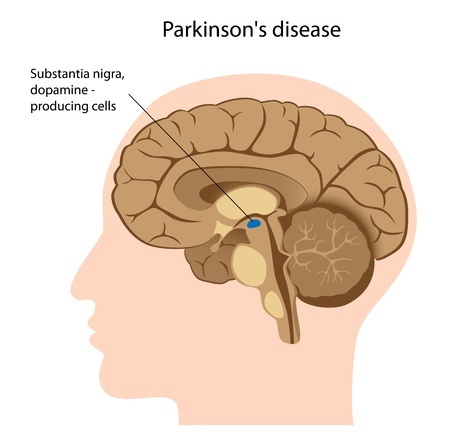
This case involves a seventy-two-year-old male, with a medical history of Parkinson’s disease, who presented to the emergency room after sustaining a deep laceration to his leg. The patient was admitted and over the next few days, the leg became severely inflamed and the patient became increasingly confused, with a sudden change in his mental status.
Shortly after, the patient began experiencing mental health status changes, and the patient’s PCP gave orders to start Haldol every four to six hours. The doctor’s physician assistant reiterated to the patient to get plenty of rest and take Haldol according the doctor’s orders. The patient’s condition continued to deteriorate to the point where he could not eat or drink and no longer had the ability to control bowel or bladder function. It was also suspected that the patient had an episode of neuroleptic malignant syndrome that went untreated during his hospital stay. Following his hospital stay, the patient was severely mentally incapacitated and was no longer able to perform activities of daily living.
Question(s) For Expert Witness
- 1. Was it within the standard of care for this physician to prescribe Haldol to a known Parkinson's patient and can Haldol diminish dopamine stores and exacerbate Parkinson symptoms?
Expert Witness Response E-006273
Haloperidol is contraindicated in patients with Parkinson’s disease. The dopamine blockade from haloperidol can dramatically worsen preexisting Parkinson’s disease, and, in this case, was the most likely reason the patient became incapacitated. The medication should not have been prescribed by the PCP and the hospital should have had this patient’s past medical history on file, which probably would have prevented this medication from being administered by the nursing staff.
Contact this expert witness
Related Posts
This case involves a motorcycle accident. The plaintiff, a forty-three-year-old female, purchased a new motorcycle. She had been riding for over twenty years. Also, she had the dealership place new tires on the motorcycle. The new tires were installed, but…
This case involves the incorrect use and positioning of a continuous passive motion device on a patient’s leg following a total right knee replacement surgery. The medical records showed that the patient’s leg was placed into the device without a…