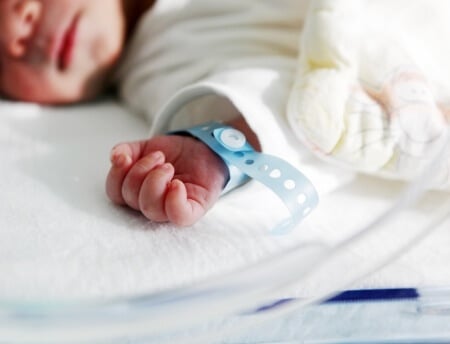
This case involves an infant who suffered severe brain damage secondary to a delayed diagnosis of chorioamnionitis. The primary claim is that there were subtle signs of infection that warranted prompt intervention before the fetus became severely infected. The mother experienced a premature rupture of membranes and was maintained in the hospital for several days at which time she was found to have beta strep present on vaginal cultures. On the fourth day of hospitalization, the fetal heart rate became significantly elevated. Although the clinical signs of infection were subtle, there was an elevation of temperature with chills and abdominal tenderness in the mother. Ultimately, an emergent C-section was performed but the intervention was too late. As a result, the baby was born with severe E-coli bacterial meningitis that caused cerebral vasculitis and hemorrhagic infarcts.
Question(s) For Expert Witness
- 1. Should this delivery have been expedited and should antibiotics have been given as soon as chorioamnionitis was suspected?
Expert Witness Response E-000874
When acute chorioamnionitis is evident, delivery must be expedited. Upon signs of serious fetal distress, delivery must be emergent. Withholding maternal antibiotics to obtain postnatal cultures from the neonate is no longer appropriate. This strategy was once an accepted practice based on the assumption that waiting to obtain cultures from the newborn helps to determine the cause of infection. The morbidity and mortality in the mother and newborn may actually increase because of a delay in administering antibiotics. Studies suggest that obtaining cultures from the mother and beginning antibiotics before delivery probably improves the outcome for the neonate.
Contact this expert witness
Related Posts
This case involves sexual assault at a school. The plaintiff, a twelve-year-old female, was placing items in her locker after school had ended. At this time, a thirteen-year-old male grabbed her by the shoulders, pushed her against the lockers, brought…
This case involves a patient who underwent a cervical total disc arthroplasty and placement of a cervical implant device that was met with complications. Following the procedure, the patient experienced new-onset neurological damage due to the postoperative complications including worsening…