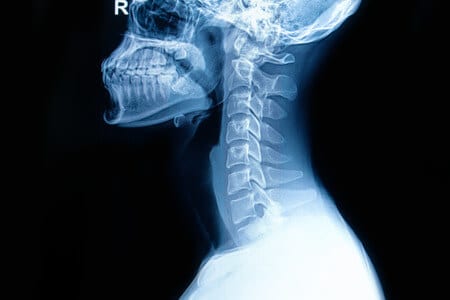
This case involves a young female who was involved in a significant accident in which she rolled her SUV while traveling down the highway. After the accident, she was transported to the emergency room where imaging studies were performed. The images that were taken weren’t conclusive of a cervical fracture, and the woman was discharged within the day. During her time in the hospital, she complained of severe back pain, however she was able to walk with assistance. As was later determined, the woman had sustained a serious cervical fracture which went undiagnosed. Within hours of being discharged, the patient developed permanent paralysis. It is alleged that the ER physicians failed to provide a thorough and adequate workup, such as ordering additional imaging studies, or conducting testing to ensure no cervical fracture or major injury was present, which resulted in the loss of the opportunity for neurosurgical intervention. It was also alleged that timely neurosurgical intervention for this patient would have prevented the patient’s paralysis.
Question(s) For Expert Witness
- 1. Given that this patient walked out of the ER, albeit in severe pain and discomfort, is it likely that surgical intervention of the cervical fracture would have prevented paralysis?
-
2. How often do you treat patients who were involved in severe motor vehicle accidents for cervical fractures?
Expert Witness Response E-004741
The mechanism of injury certainly seems to be one that would engender a high degree of suspicion for a fracture. Generally, it would be important for the treating physicians to determine if there were any other indications of neurological symptoms, such as hand or arm numbness, or complaints of neck pain. It is also important to know what aspect of the imaging was “inconclusive.” If there was inadequate imaging, there may have been a departure in the standard of care by allowing the patient to leave. Depending on the type of fracture and why paralysis ultimately occurred, there could be a major difference in regard to what the best management should have been. Generally speaking, patients who present to the hospital with complains of neck pain after a motor vehicle accident should be approached with spinal trauma in mind, and if the imaging was “inconclusive” a significant injury likely could not have been ruled out.
Contact this expert witness
Related Posts
This case involves a malfunction of a handgun that resulted in serious injuries to the operator. The plaintiff rented a 9 millimeter pistol at a shooting range that he visited regularly. He went onto a stall in the shooting range and…
This case involves an elderly male patient who died while receiving treatment at a dialysis center. The patient presented to the dialysis center with an elevated heart rate and a prescription for antibiotics, which was suggestive of an active infection for which…