The infant’s post-NICU medical status is reflective of neurological deficits that impact her activities of daily living and educational needs. The transport environment that existed from the time of departure from the birth hospital to the university hospital resulted in these deficits.
Although the infant required transfer related to her respiratory care requirements, she exhibited sufficient clinical stability for transport as evidenced by her vital signs, oxygen saturations and arterial blood gases immediately prior to her departure. Accordingly, she was adequately stabilized for air transport.
The transport environment is dynamic and does not afford the clinical staff all of the technological resources and treatment capabilities available in a NICU. Therefore, it is imperative that transit times be kept to an absolute minimum.
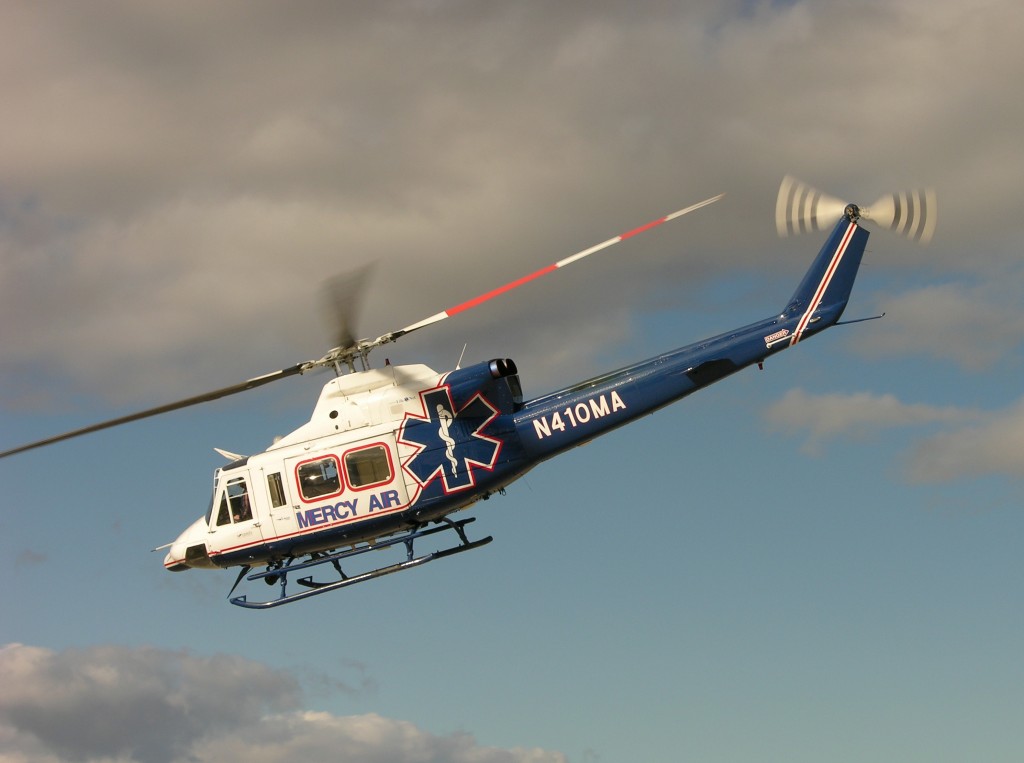
Due to the burning event and the resulting aborted flight, the infant did not receive a correct and timely transfer, which placed her at risk for neurological injury. Ground ambulance transfers are characterized by numerous dynamic events related to road and traffic conditions whereas air transfers are generally more stable.
Loading and unloading events are the most critical phases of neonatal transport as are frequent acceleration/deceleration occurrences. The infant endured two additional loading/unloading events due to the burning event of the helicopter and the need to travel by ground ambulance. Because of the degree of ventilator support required during transport, the ground ambulance needed to stop in route to secure additional oxygen to avoid depleting the onboard medical gas tanks. This would not have been necessary during flight and exposed the baby to further physiologic stress.
In summary, it is my opinion that the disruptions that occurred in the transport sequence as provided by the defendant altered and prolonged the transport, which impacted the infant’s overall medical care and clinical stability. The burning event in the initial rotor wing aircraft led to a prolonged transit time and profound deterioration in her clinical condition during the delayed transport and the inability to provide necessary treatment to achieve clinical stabilization. The change in these transport conditions as a result of the burning event in the initial rotor wing aircraft placed her at high risk for neurological injury.
The expert is a registered nurse and neonatal nurse practitioner who had considerable experience rendering care to infants with a wide variety of conditions.