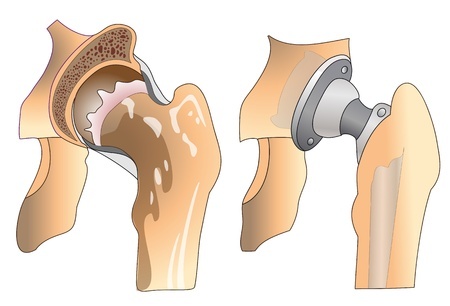
An orthopedic surgery expert witness discusses a case that involves a forty-seven-year-old female patient who underwent a total hip replacement surgery and suffered foot drop as a complication of the surgery. The patient from Hawaii had a past medical history of developmental dysplasia of the hip and was otherwise in good health. The patient was under the care of an orthopedic surgeon for problems related to the hip dysplasia which included chronic pain and limited range of movement in both hips which was impacting her quality of life and ability to work. The treating orthopedic surgeon recommended that the patient undergo surgery to treat the patient’s problematic hips. The procedures were performed in order to ameliorate the patient’s limited acetabular range of motion, along with signs of early degenerative change in the bones of the hip. The patient underwent bilateral total hip replacements and experienced significant post-operative complications. The left hip was treated first with an uneventful surgery and post-operative recovery. Immediately after the second procedure of the right hip the patient displayed signs of severe sciatic paralysis with marked weakness in the right lower leg involving both dorsiflexion and plantar flexion. The treating surgeons explained to the patient that she might see some gradual neurologic improvement but only physical therapy and electrical stimulation therapy was offered to her as treatments. The patient lost a significant amount of muscle bulk in the afflicted areas due to the neurologic compromise after the surgery. Her ability to ambulate was impacted and her condition did not improve with physical therapy.