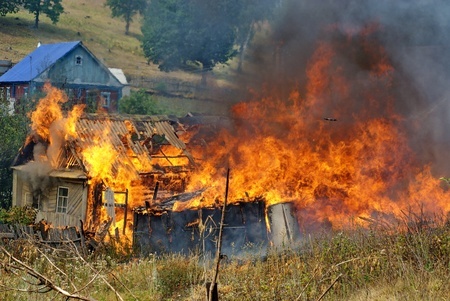
The plaintiffs will be required to disclose the smoke and fire damage to their property should they ever seek to sell it. I have evaluated the obligation of the plaintiffs to disclose the smoke and fire damage to their property. It is my experience that both circumstances are widely known to licensed real estate brokers and agents, and that the disclosure requirements are also monitored and enforced by lenders and title companies that close such sale transactions.
I have experience in many smoke-damaged homes and have observed what smoke does to the homes, contents and occupants. I have personally interviewed occupants and performed smoke component testing at over 150 homes and buildings affected by the same wildfires in this case. I have found smoke components throughout the county in the numerous properties I have tested. Inhabitants of affected dwellings, particularly individuals who are consistently in the home (as opposed to individuals who spend most of the day elsewhere), complain of a host of health problems.
Property affected by a condition causing physical health issues or electronics failures is damaged and requires remediation before it can be sold without such disclosure. Buyers will view un-remediated homes as damaged. It is well-known in the real estate industry that unfavorable disclosures affect buyers’ willingness to pay for property, and reduce value.
I conclude that buyers will regard property subject to serious disclosures involving smoke damage, smoke effects and smoke components discovered through smoke component testing to be just as damaged as properties damaged from other catastrophic events like sewage disasters, and that this will reduce sales value for the seller, here for the plaintiffs.