
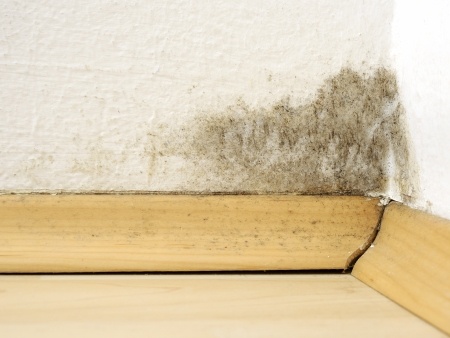
This case takes place in Iowa and involves a teenage decedent whose death is attributed to exposure to mold, fungi, and other toxic substances present in the living space and common areas of her apartment building. Over the course of approximately 2 years, the property developed ongoing and recurring water problems resulting in building materials constantly being wet, attracting large swarms of termites and causing mold to form throughout the apartment. These conditions were brought to the attention of the defendants numerous times through complaints being made directly to the agents and employees of the defendants. Eventually, the plaintiff noticed water leaking from a defective air conditioning unit into the plaintiff’s bedroom closet. By November of the same year, the leak had caused extensive water damage throughout the apartment including the living room, hallway, both bathrooms, and the hallway closet. The plaintiff continually notified agents of the defendants of the water damage and mold, however, it was never properly repaired.
The patient later presented to the emergency room for severe respiratory distress. Her treating physicians ascertained that the patient had fungus in her body which cased her to suffer from Allergic Broncho-Pulmonary Aspergilliosis. She died as a result. Environmental testing was performed on the premises following her death which showed evidence of extensive areas of mold growth, including high spore counts of Aspergillus.